Coinomi: Crypto Wallet Overview and Company Profile
Coinomi Is a Multi-Asset Crypto Wallet for Self-Custody
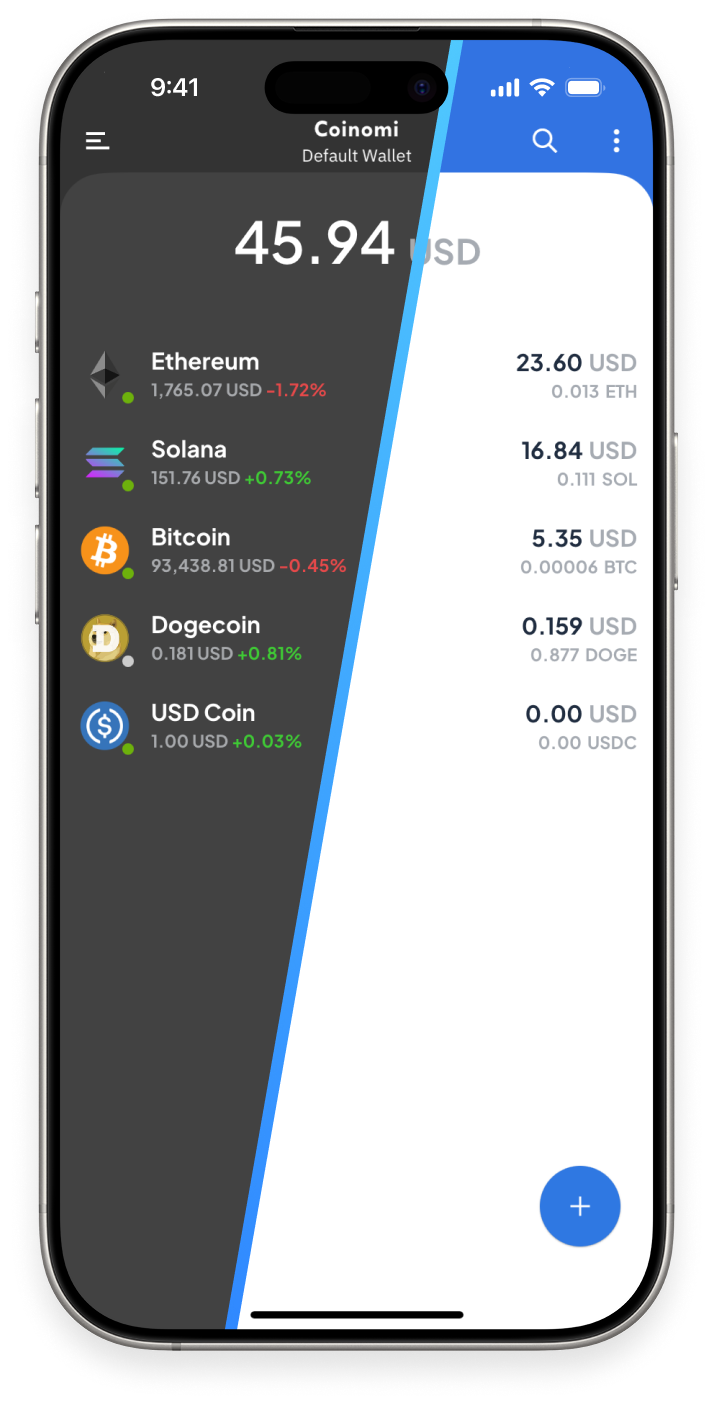
Coinomi Is a non-custodial cryptocurrency wallet used to store, send, receive, and swap digital assets across many blockchain networks. Instead of acting like a bank or exchange account, Coinomi gives users an interface for controlling blockchain addresses with their own recovery phrase and private keys. That makes setup, backups, device security, network fees, and official-source verification essential parts of using Coinomi responsibly.
Coinomi sits in the practical middle ground between a single-chain wallet and a full exchange account. Coinomi is designed for people who want one place to manage Bitcoin, Ethereum, Solana, Tron, Litecoin, Dogecoin, stablecoins, tokens, NFTs, and other supported assets without handing custody to a centralized platform. The wallet is often discussed as an older name in the crypto wallet category because Coinomi has been associated with multi-coin storage since 2014.
This page is an independent informational profile, not an official Coinomi page and not financial advice. Crypto wallets change over time, supported assets can be added or removed, and third-party services inside any wallet may have their own policies. Anyone considering Coinomi should confirm current download links, fees, asset support, app availability, and security guidance through official sources before moving funds.
What is Coinomi?
Coinomi is a software wallet, which means it runs as an application rather than as a dedicated hardware device. Coinomi has been available for mobile users and desktop users, and its main purpose is to help people interact with many blockchains from one wallet interface. A user can create a wallet, back up the recovery phrase, add specific assets, generate receiving addresses, and sign outgoing transactions from the device.
Coinomi is usually described as non-custodial or self-custodial. In plain terms, that means Coinomi does not function like a hosted exchange balance where a company holds funds for the customer. The coins and tokens exist on their respective blockchains. The wallet stores the cryptographic material needed to control addresses, while the user remains responsible for protecting the recovery phrase and device.
The company profile around Coinomi generally places it in the software development and cryptocurrency wallet space. Public descriptions have emphasized support for a broad range of blockchain assets, a long operating history, and wallet functions for storage, transfers, exchange access, and portfolio management. Those claims should be treated as product information to verify, because crypto software updates and service relationships can change.
How does Coinomi work?
Coinomi works by creating and managing keys for different blockchain accounts. When a user creates a new Coinomi wallet, the app generates a recovery phrase. That phrase is the backup for the wallet, and anyone who has it may be able to restore and control the same funds. Coinomi then uses wallet standards and network-specific address formats to let the user receive and send supported crypto assets.
In practice, Coinomi is not where the assets physically reside. Bitcoin remains on the Bitcoin blockchain, Ether remains on Ethereum, tokens remain on their related networks, and other coins remain on their own ledgers. Coinomi provides the interface that reads balances, prepares transactions, signs them locally, and broadcasts them to the relevant network or service connection.
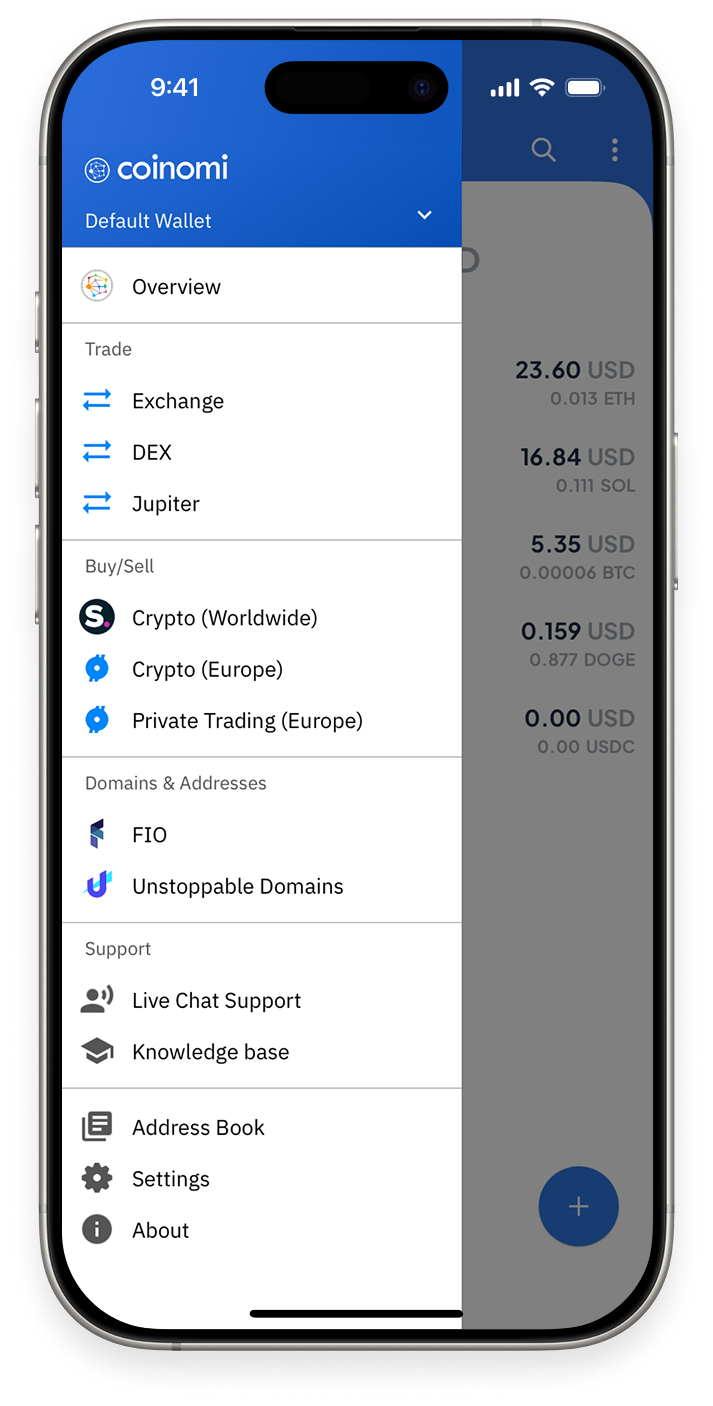
Coinomi also supports common wallet tasks that users expect from a multi-chain app. Those tasks can include adding assets manually, viewing transaction history, choosing fee levels where supported, and using integrated providers for swaps or purchases. The exact experience may differ by network, region, app version, and provider availability, so a user should review the current app screens before assuming a feature is available.
What can users do with Coinomi?
Coinomi is mainly used by people who want a single wallet for several crypto networks rather than separate apps for every coin or token. A long-term holder might use Coinomi to keep small or moderate balances organized across Bitcoin-like chains, Ethereum-style token networks, and other supported ecosystems. A more active user might value the convenience of swapping between assets without first sending funds to a custodial exchange.
Coinomi can also be useful for people who receive payments in multiple currencies, test new networks, or need a wallet that supports older assets alongside newer tokens. The appeal is not only the number of assets, but the ability to manage different address formats and blockchain families from one interface. For basic background on wallet categories, readers may also compare a before choosing a setup.
Common Coinomi use cases include:
Creating a self-custody wallet for supported digital assets.
Receiving Bitcoin, Ethereum, stablecoins, and other supported coins or tokens.
Sending crypto to another wallet, exchange deposit address, or payment recipient.
Managing several blockchains from one mobile or desktop interface.
Using in-app swap, buy, or service integrations where available.
Testing small transactions before moving larger balances.
Coinomi may not be the right tool for every user. Someone who wants insured brokerage-style custody, tax reporting handled by a platform, or direct fiat bank balances may prefer a regulated exchange or financial service. Someone storing a large long-term balance may prefer a hardware wallet, multisignature setup, or a more formal custody plan.
How do you get started with Coinomi?
Coinomi setup should begin with download safety. A new user should find Coinomi through official sources and avoid search ads, cloned websites, direct-message links, and unofficial installation files. Fake wallet downloads are a major risk across the crypto industry, and the first mistake can compromise funds before a person has even sent their first transaction.
After installation, Coinomi typically asks the user to create a new wallet or restore an existing one. A new wallet will produce a recovery phrase that must be written down and stored offline. Screenshots, cloud notes, email drafts, and chat messages are poor storage methods because they increase the chance that malware, account compromise, or device syncing exposes the phrase.
A cautious Coinomi workflow looks like this:
Download the app only from the official location for the device.
Create a wallet in a private setting where the recovery phrase cannot be seen.
Write the recovery phrase clearly and store it somewhere durable and offline.
Add only the assets and networks that are needed.
Receive a small test deposit and confirm it appears as expected.
Send a small test transaction before moving a larger amount.
For a new user, the most important lesson is that Coinomi cannot undo a blockchain transaction, recover a lost phrase, or protect funds after the recovery phrase is shared. The app can help organize the wallet experience, but self-custody means the user controls both the benefits and the failure points.
What fees does Coinomi charge?
Coinomi is commonly described as a free wallet to install and use, but that does not mean crypto transactions are free. When a user sends Bitcoin, Ethereum, Tron, Solana, Litecoin, Dogecoin, or another asset, the relevant blockchain may require a network fee. That fee is paid to miners, validators, or network participants depending on the chain, not simply to the wallet interface.
Coinomi may offer dynamic fee options on supported networks, and some networks may also allow custom fee settings. Bitcoin fees are affected by transaction size and network demand. Ethereum-family fees are affected by gas usage and gas price. Token transfers, swaps, and contract interactions can cost more than simple transfers because they require additional blockchain processing.
Users should also separate Coinomi wallet fees from third-party provider costs. If a person buys crypto, sells crypto, or swaps assets through an integrated service, that provider may apply spreads, service fees, minimums, limits, identity checks, or regional restrictions. An exchange withdrawing into Coinomi may also charge its own withdrawal fee, which is set by the exchange rather than by Coinomi.
Is Coinomi safe?
Coinomi safety depends on both the wallet design and the user's behavior. A non-custodial wallet can reduce the risk of a centralized custodian freezing or mismanaging funds, but it increases personal responsibility. If a device is infected, if a recovery phrase is exposed, or if a user approves the wrong transaction, the loss may be permanent. No software wallet should be treated as risk-free.
Coinomi has long marketed itself around private-key control and a history in the wallet market, but users should still evaluate the current app, current security practices, and their own threat model. Some people are comfortable using software wallets for everyday balances and smaller amounts. Others prefer hardware wallets for larger holdings because the signing environment is separated from a general-purpose phone or computer.
Coinomi users should pay attention to recovery phrase handling, device updates, screen locks, phishing attempts, clipboard malware, and address verification. It is also wise to keep a record of what networks an asset uses. Sending a token over the wrong chain, confusing wrapped assets with native assets, or using an unsupported deposit address can create serious recovery problems.
How does Coinomi compare with other wallet options?
Coinomi competes with several types of crypto wallets, not just one product category. Compared with a single-chain wallet, Coinomi may be more convenient because it handles many assets in one place. Compared with a custodial exchange, Coinomi gives the user more direct control over private keys. Compared with a hardware wallet, Coinomi may be easier for daily use but less isolated from device-level threats.
Coinomi is often compared with other mobile and desktop wallets that support many coins, built-in swaps, and token management. The best choice depends on which assets a person holds, whether they need desktop access, how much they value open-source review, whether they use NFTs or DeFi applications, and how comfortable they are managing backups. A broader can help frame those tradeoffs.
Wallet type
Typical strength
Typical tradeoff
Coinomi-style software wallet
Convenient multi-asset self-custody
Depends on device security and user backup habits
Custodial exchange wallet
Simple onboarding and fiat services
User does not directly control private keys
Hardware wallet
Stronger isolation for signing transactions
Extra device cost and setup complexity
Single-chain wallet
Deep support for one ecosystem
Less convenient for diverse portfolios
What are the main benefits of Coinomi?
Coinomi benefits are mostly about convenience, breadth, and self-custody. A user who holds several assets can avoid juggling many wallet apps. Coinomi also gives users a way to receive and send assets without creating a custodial account for each chain. For people who value direct control, that can be a major advantage over keeping every asset on an exchange.
Coinomi may also appeal to users who want a wallet with a long public history, broad language support, and practical tools such as fee controls and service integrations. The ability to manage many blockchain families from one interface can reduce friction for everyday transfers. Still, convenience should not be confused with a guarantee of safety, performance, asset value, or future support.
The strongest reason to consider Coinomi is if its current app supports the assets, networks, and workflow a person actually needs. The weakest reason is simply seeing a coin listed or hearing that a community has integrated it. Support for a token is useful, but the user still needs to understand liquidity, network fees, chain risk, and the possibility of volatile prices.
What risks should users understand before using Coinomi?
Coinomi carries the normal risks of software wallets and cryptocurrency use. Crypto prices can move sharply, blockchain transactions are generally irreversible, and wallet users are frequent targets for phishing. A user who sends assets to the wrong address, selects the wrong network, loses a recovery phrase, or installs a fake app may not have a practical path to recover funds.
Coinomi also relies on external networks and, for some optional features, third-party providers. Network congestion can make fees higher or confirmations slower. Swap providers may have minimums, delayed execution, different exchange rates, or regional limits. Fiat purchase or sale services may require identity checks and may not be available everywhere. These are not unique to Coinomi, but they matter when comparing wallet choices.
Anyone using Coinomi should verify current information before taking action. Check the official app source, confirm supported assets inside the wallet, test with small amounts, read transaction prompts carefully, and avoid treating any online guide as a promise. Coinomi can be a useful self-custody tool, but the responsible decision is to match the wallet to the user's risk tolerance, technical comfort, and storage needs.
Reader rating:
4.3 / 5
based on 328 ratings
Questions and Answers
What is Coinomi used for?
Coinomi is used to create a non-custodial crypto wallet, receive and send supported assets, and manage multiple blockchain networks from one app. It can be useful for users who hold Bitcoin, Ethereum, tokens, stablecoins, or other supported coins and want one interface for several chains. Users should still verify current asset support and official download sources before moving funds.
Is Coinomi a custodial wallet or a non-custodial wallet?
Coinomi is generally described as a non-custodial wallet, meaning the user controls the recovery phrase and private keys rather than depositing assets into a hosted account. The assets remain on their blockchains, while the app helps read balances and sign transactions. This gives users control, but it also means lost or exposed recovery phrases can lead to permanent loss.
Does Coinomi charge fees to send cryptocurrency?
Coinomi may be free as a wallet app, but blockchain transactions normally require network fees. Those fees depend on the specific chain, current congestion, transaction size, and whether the action is a simple transfer or a more complex token or contract interaction. Integrated swap, buy, or sell providers may also apply separate costs, spreads, minimums, or regional rules.
Is Coinomi safe for storing crypto?
Coinomi can be part of a self-custody setup, but no software wallet is risk-free. Safety depends on official installation, device security, recovery phrase storage, careful address checking, and understanding network prompts. Many users keep smaller everyday balances in software wallets and consider hardware wallets or more advanced custody practices for larger long-term holdings.
Can Coinomi recover my wallet if I lose my recovery phrase?
A non-custodial wallet generally cannot restore funds without the recovery phrase or private keys. If the phrase is lost and the wallet is no longer accessible on a device, recovery may be impossible. Users should write the phrase down clearly, keep it offline, store it somewhere durable, and never share it with support agents, websites, or strangers.
What assets does Coinomi support?
Coinomi has promoted broad support for many crypto assets across multiple blockchains, including major coins and numerous tokens. Exact support can change as networks, token standards, and app versions change. Before receiving funds, users should confirm inside the current Coinomi app that the specific asset and network are supported and that the receiving address matches the intended chain.
How does Coinomi compare with a crypto exchange account?
Coinomi gives users direct control over wallet keys, while an exchange account normally holds assets on the user's behalf. Coinomi may offer more self-custody control and multi-chain wallet convenience, but the user is responsible for backups and transaction accuracy. Exchanges may provide fiat ramps, account recovery, and trading tools, but they introduce custodial and platform risks.
LinkedIn and 3rd parties use essential and non-essential cookies to provide, secure, analyze and improve our Services, and to show you relevant ads (including
professional and job ads
) on and off LinkedIn. Learn more in our
Cookie Policy
.
Select Accept to consent or Reject to decline non-essential cookies for this use. You can update your choices at any time in your
settings
.
Bitcoin Pizza Day isn't just about the price. 🍕
It proved for the first time that $BTC had real-world value. Without that pizza order, we might not be here today.
Happy Bitcoin Pizza Day. 🧡
Last week's $LDO airdrop on $ETH is out, go check your wallet! 💸
New tasks are live this week in Coinomi Rewards. Stack those crystals and secure your spot in the next drop. 💎
➡
https://lnkd.in/dbckK6yT
💬 Let’s build this together.
Your feedback matters. If there’s anything you’d love to improve, fix, or add in Coinomi, let us know.
We read everything and use it to shape what’s next 👇
🍎 Apple:
https://lnkd.in/d5njy4dH
👽 Google Play:
https://lnkd.in/de4RMvFw
Your weekly crypto recap is here:
📃 Clarity Act moving.
🟠 Bitcoin at $82K. Trump family buying the dip.
🟢
#Tether
freezing millions.
🟣
#Kraken
reshuffling its infrastructure.
What's the story that surprised you most this week? 👇
New week. New tasks. New chances to earn. 💎
Head to Coinomi Rewards, complete your tasks and stack those crystals, your spot in this week's airdrop won't secure itself.
👇
https://lnkd.in/dbckK6yT
We're partnering with
Quickex
, a non-custodial instant crypto exchange trusted since 2018 🤝
✅ Great rates, with high limits
✅ No stored funds.
✅ No account needed.
Swap $USDT, $LTC, $BTC, $SOL, $TRX and more, right inside your Coinomi
https://lnkd.in/djkyFa5A
💸 Last week's $USDC airdrop on
#Base
is out, go check your wallet!
Don't forget to check in daily, complete your tasks, and stack those crystals.
Next week's airdrop?
#LidoFinance
$LDO 😏
https://lnkd.in/dbckK6yT
April's most traded pairs on Coinomi are in. 👀
$BTC dominating every direction, and $XMR sneaking into the top 5. The privacy community never sleeps. 🔒
What are you swapping?
Happy Birthday, Coinomi 🎂🎉
We started in 2014 with one mission, put users in control of their own crypto.
12 years later, nothing has changed. 🧡 Your keys, your coins, always.
Thank you for being part of this.
And stay tuned, next week we have something big 👀